 admin | 2025-05-16 |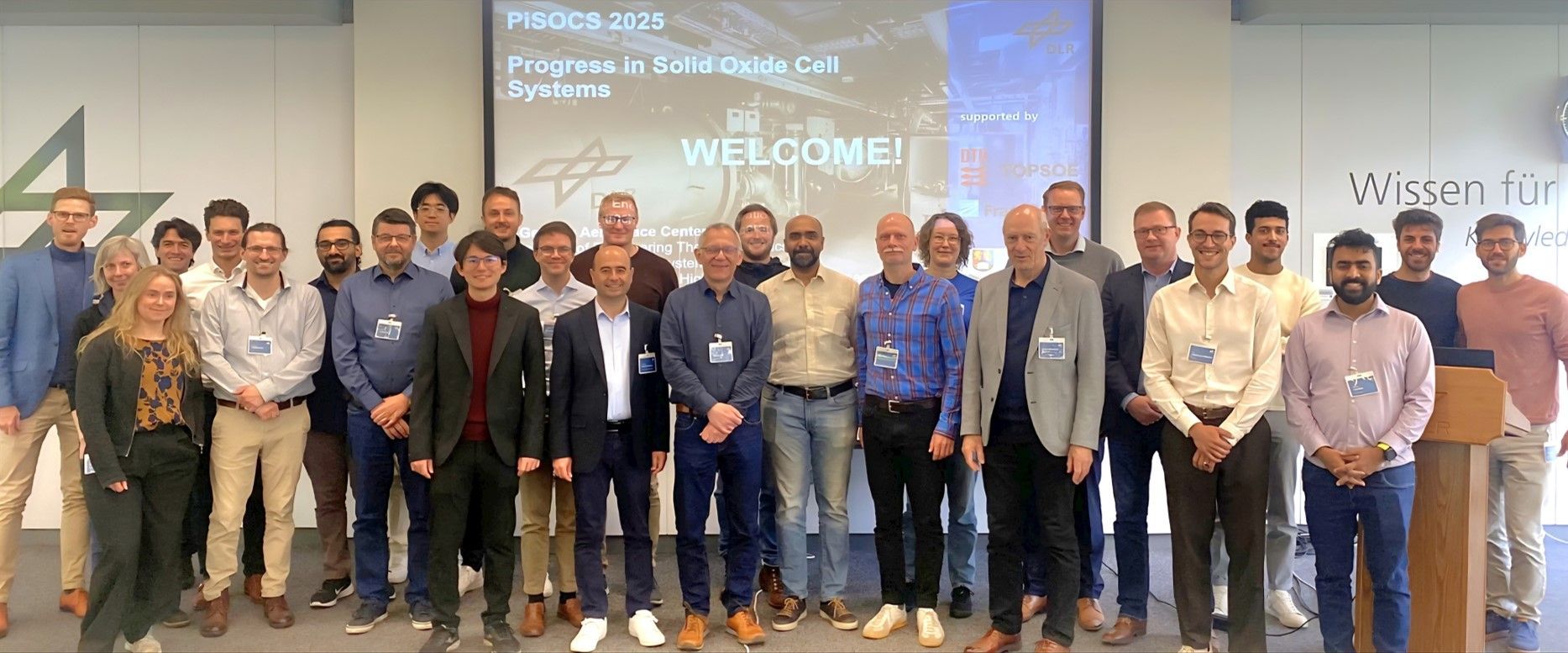
Recent discussions at HIPER2025 and PiSOCS2025 highlighted the importance of vessel efficiency, regulation, and solid oxide technologies in the transition to low-carbon shipping and energy systems
The source material reflects takeaways from two events focused on decarbonizing shipping and solid oxide fuel cell technologies: the High-Performance Marine Vehicles Conference (HIPER2025) in Tullamore and the Progress in Solid Oxide Cells workshop (PiSOCS2025) hosted by the DLR Institute of Engineering Thermodynamics in Stuttgart.
Maritime Decarbonization at HIPER2025
At HIPER2025, ship designers, builders, operators, energy-efficiency solution providers, academics, and classification societies discussed how to accelerate the defossilization of the shipping industry.
According to the source material, one of the key conclusions was that meaningful progress will require not only alternative fuels, but also stronger regulation, enforcement, and continued investment in more efficient vessels. FuelEU Maritime and the IMO midterm measures were highlighted as a promising framework for this transition.
Solid Oxide Technology Outlook at PiSOCS2025
At PiSOCS2025, participants from the European solid oxide cell industry and research community discussed application areas for solid oxide technologies and the technical conditions required for wider deployment.
The source material notes that solid oxide electrolysis cells (SOECs) are particularly well suited to applications where steam is available or where co-electrolysis is used in power-to-liquid hydrocarbon processes, improving overall energy efficiency enough to justify higher investment costs.
SOFC Potential for Maritime Applications
Solid oxide fuel cells (SOFCs) were also described as a promising technology for future maritime applications, as well as for data centers, combined heat and power systems, and long-duration energy storage through bi-directional operation.
Further discussion at the workshop focused on dynamic operation and degradation reduction, while the environmental and levy-reduction potential of the technology was also highlighted.